
Happy New Year Vikings…
Happy New year and welcome to my first blog of 2026! I thought I’d make this my first blog of the year one here I tell you all about my most amazing repair job to date…
Back in the summer, I received an email from a local metal detectorist asking if I was able to restore a gold ring that they had found. It tuned out that the ring in question was from Viking times, so most likely pure gold, and only around 1100 years old!!
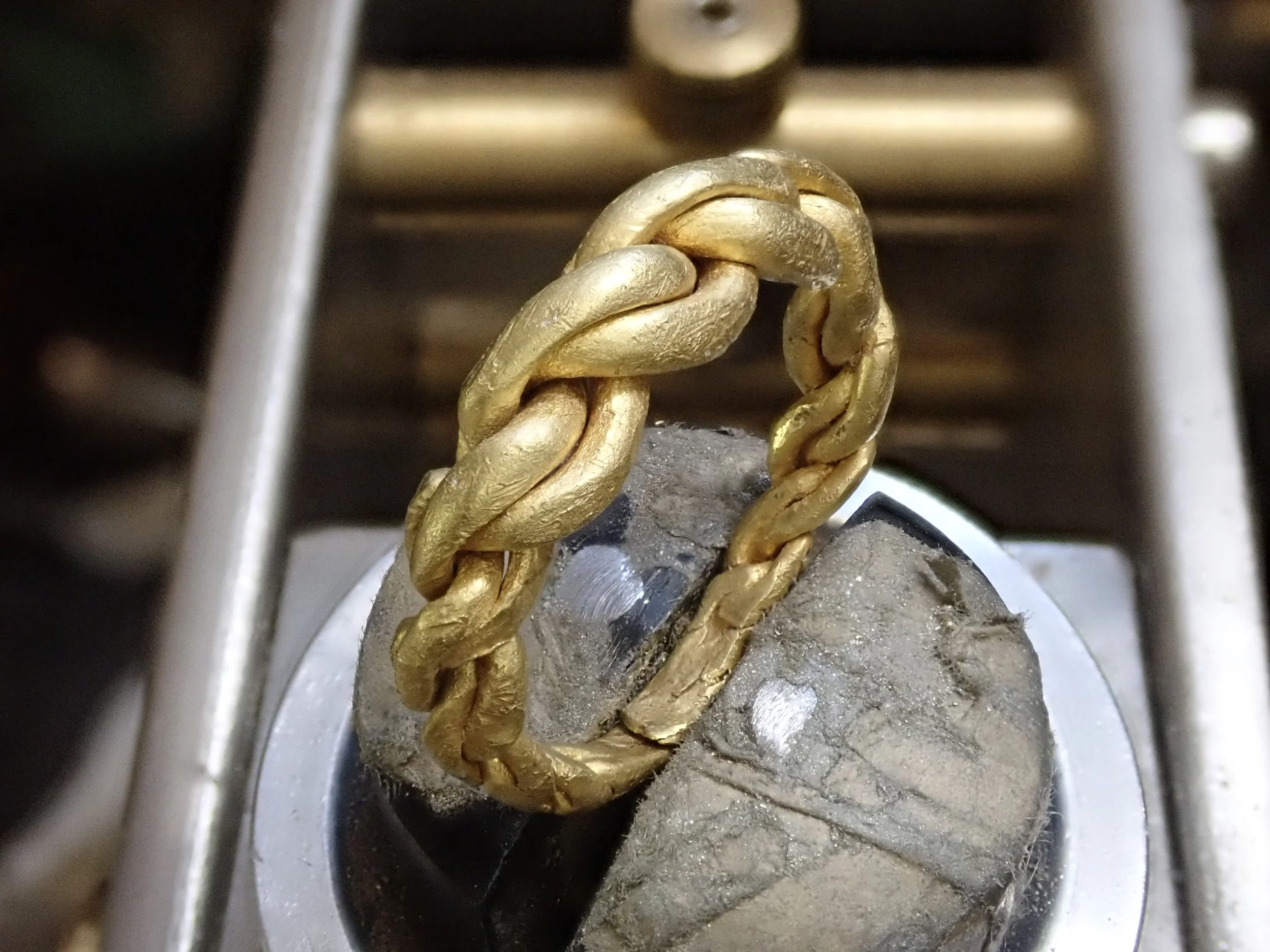
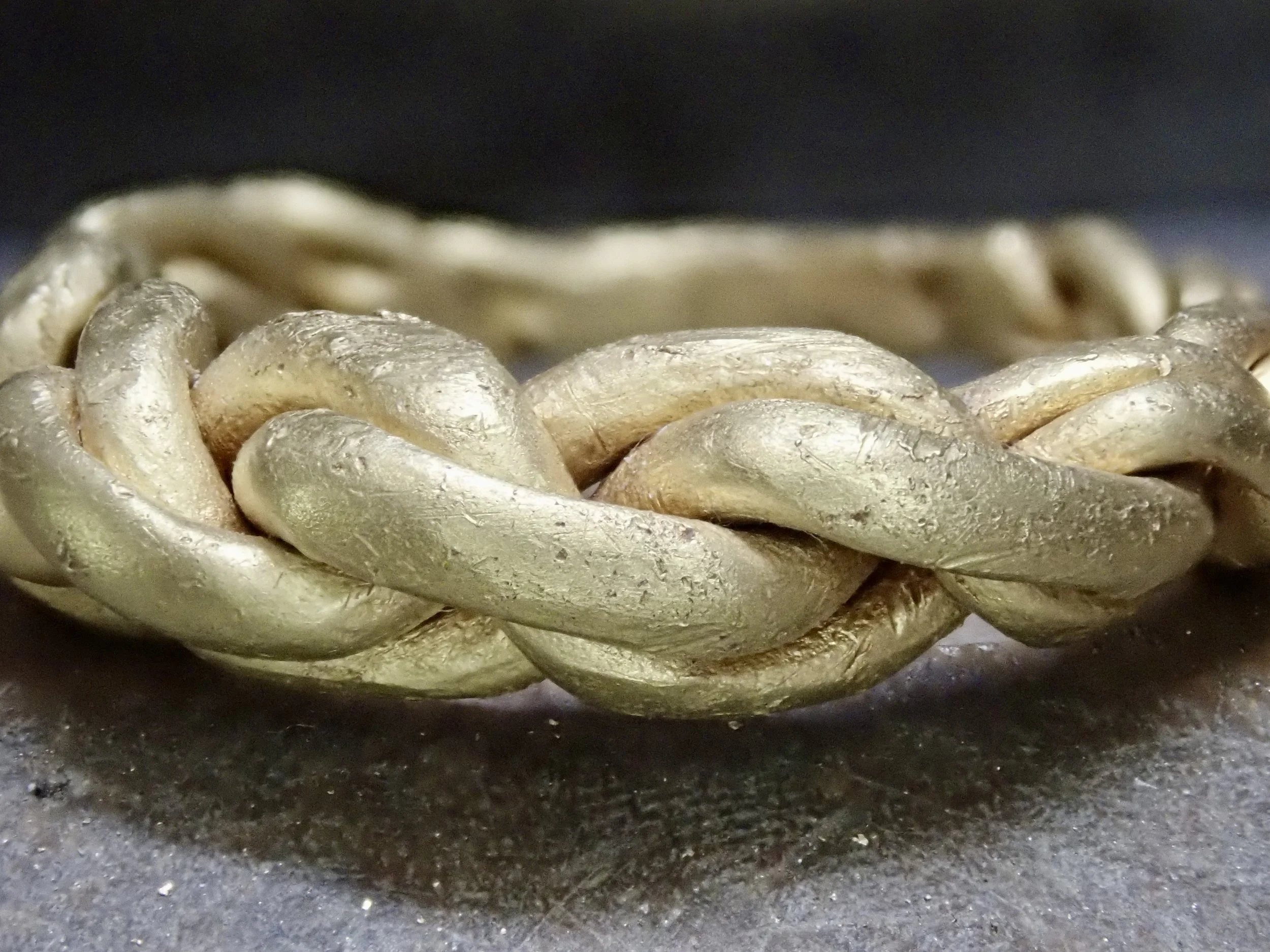
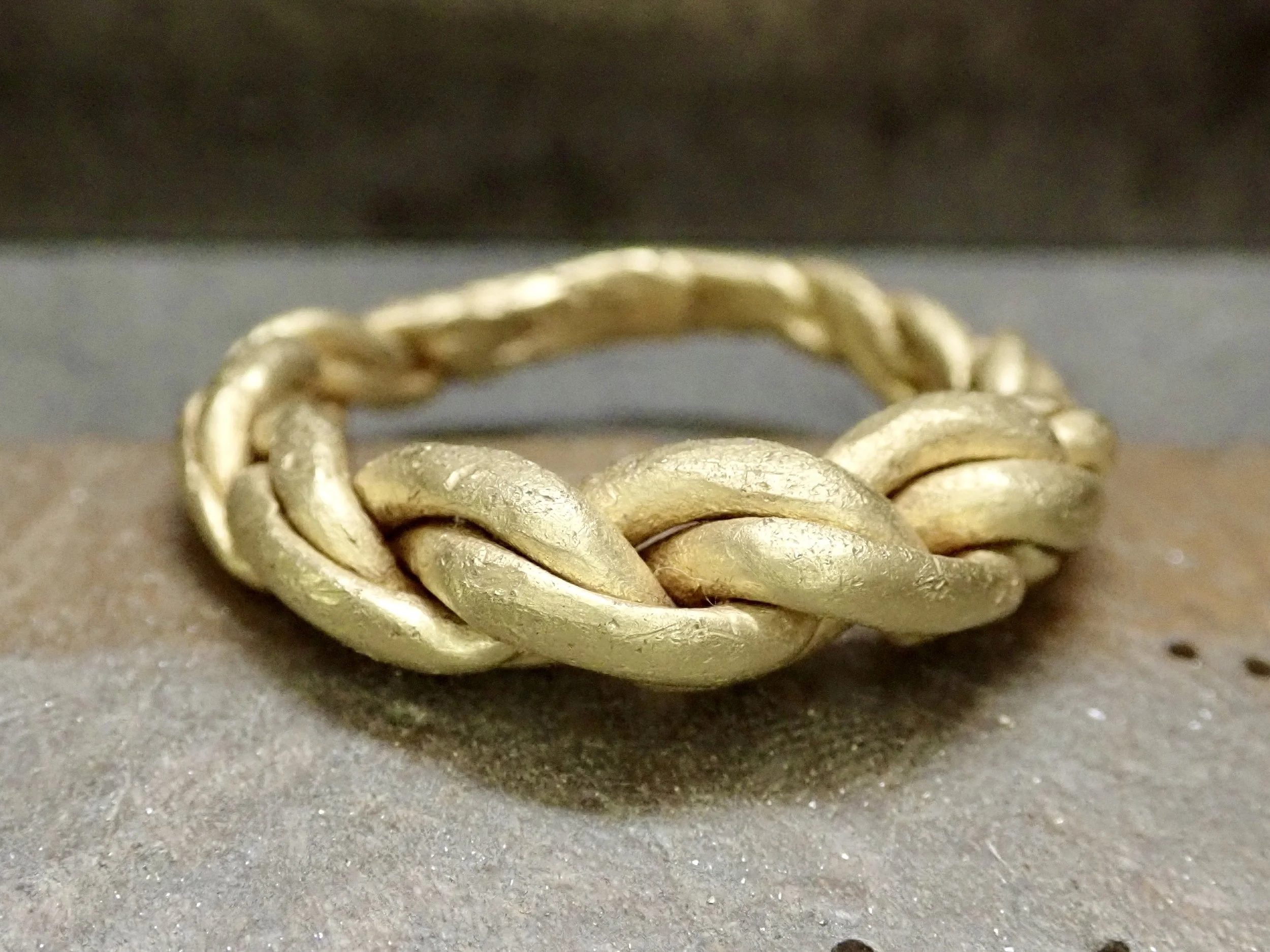
It had already spent a couple of years with the British Museum and had been officially registered as treasure before being returned to its finder. Even holding it in my hand felt like such a privilege, wondering who might have worn it and what their life would have been like all that time ago.
I felt that I had to check for myself with the British Museum before starting anything, so a few emails later I had the go ahead to start to return it to it’s (as far I know) original ring shape. It’s actually quite a simple job, but I don’t think I’ve ever taken so much time just looking and thinking before starting work. It’s the scariest bit of annealing and reshaping I’ve EVER had to do!
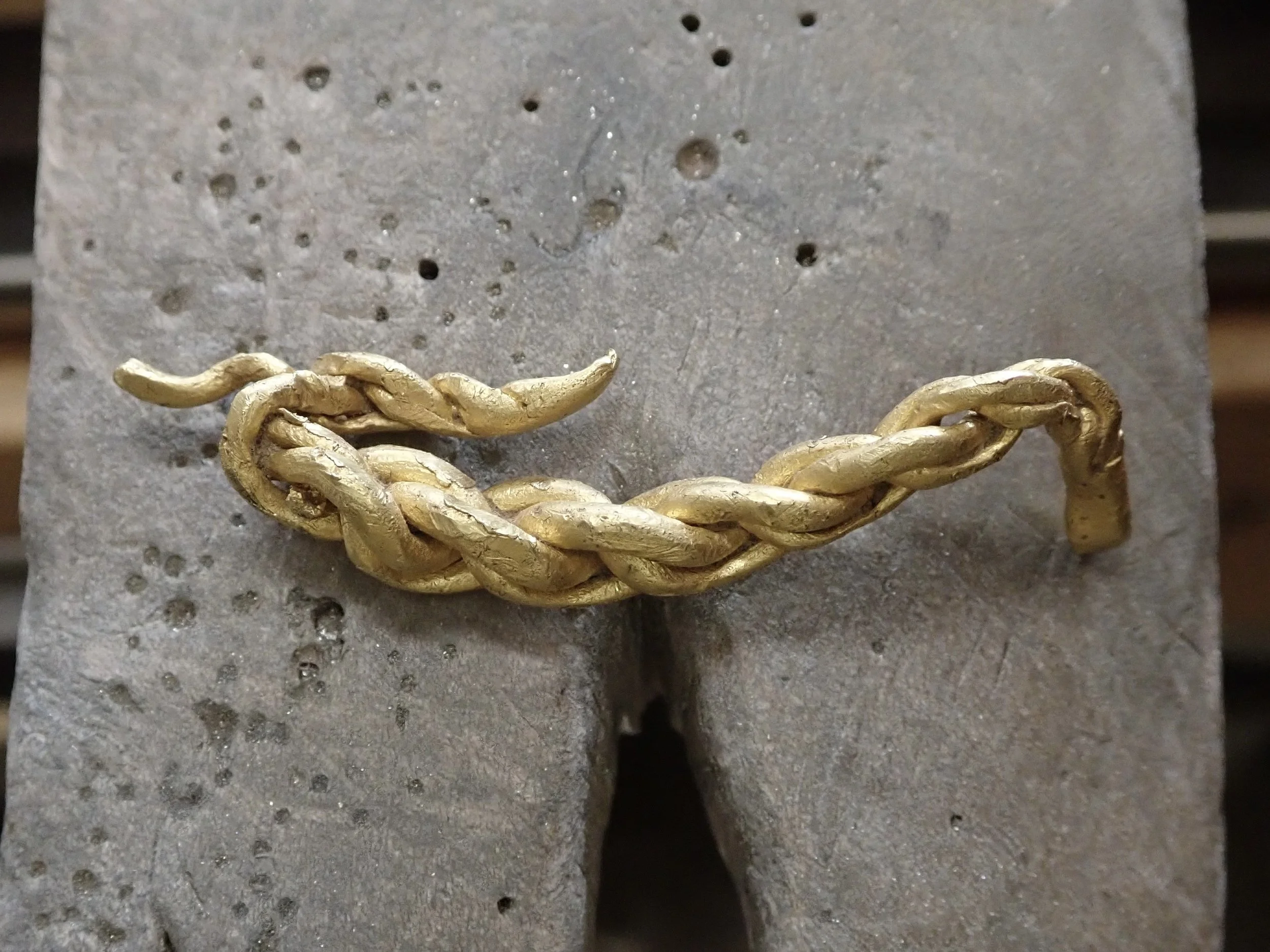
When the ring arrived at my studio, it was very misshapen. You probably wouldn’t even have thought it was a ring at all!
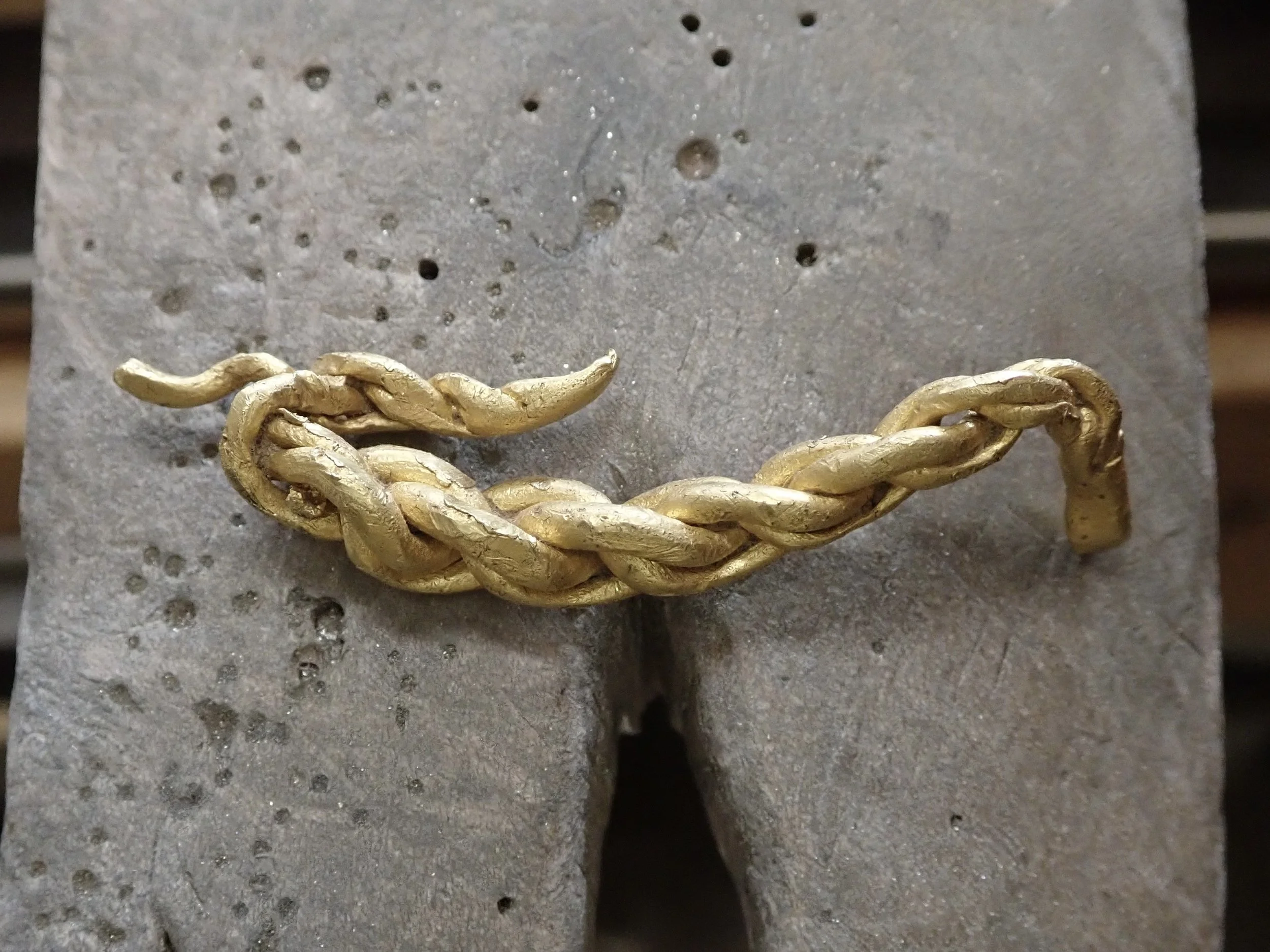
My first job was to work out how it might have originally looked, so I did some research so see the shape of similar found rings. I was especially interested in the back, and discovered that it wouldn’t have been joined, instead the two ends “may” simply have crossed over each other.
Then as already mentioned, I spent a long time just looking at how it had been constructed before going in VERY gently with my torch to anneal (soften) the gold just enough to allow me to try and tap it back into shape without risk of it snapping. 1100 year old metal is VERY work hardened!!
I discovered that the ring had not only been squashed, but also twisted completely around on itself, so once I’d untangled that bit, it was really just a case of working incredibly slowly with a nylon mallet so an not to add any additional modern day hammer marks.
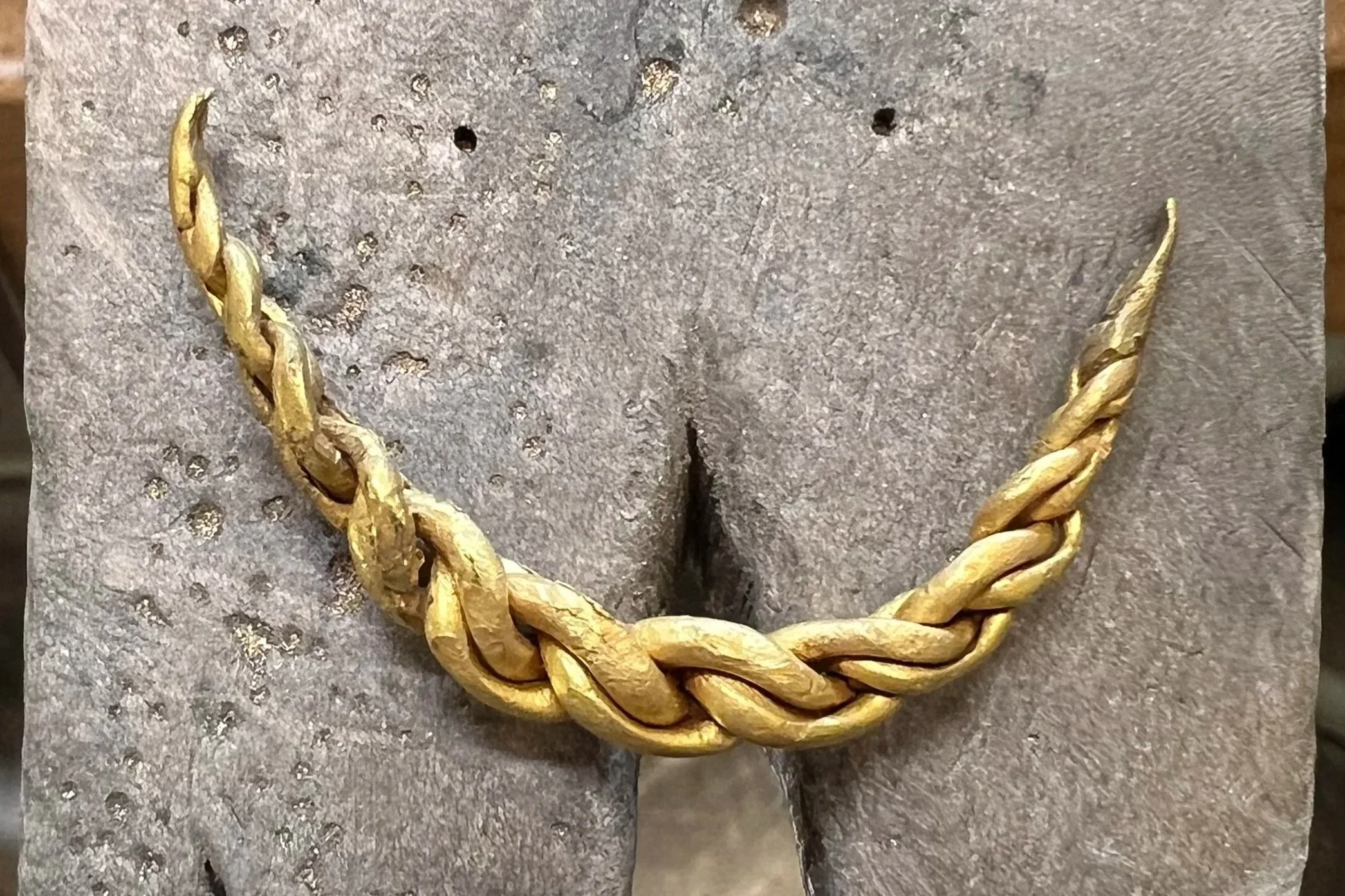
The final little repair needed a piece of very modern tech - my laser welder - as this allowed me to fix the broken strand of gold without the need to add any additional gold solder, which just wouldn’t have been in keeping with the age of the piece. Once done, it was virtually impossible to see where the repair was.
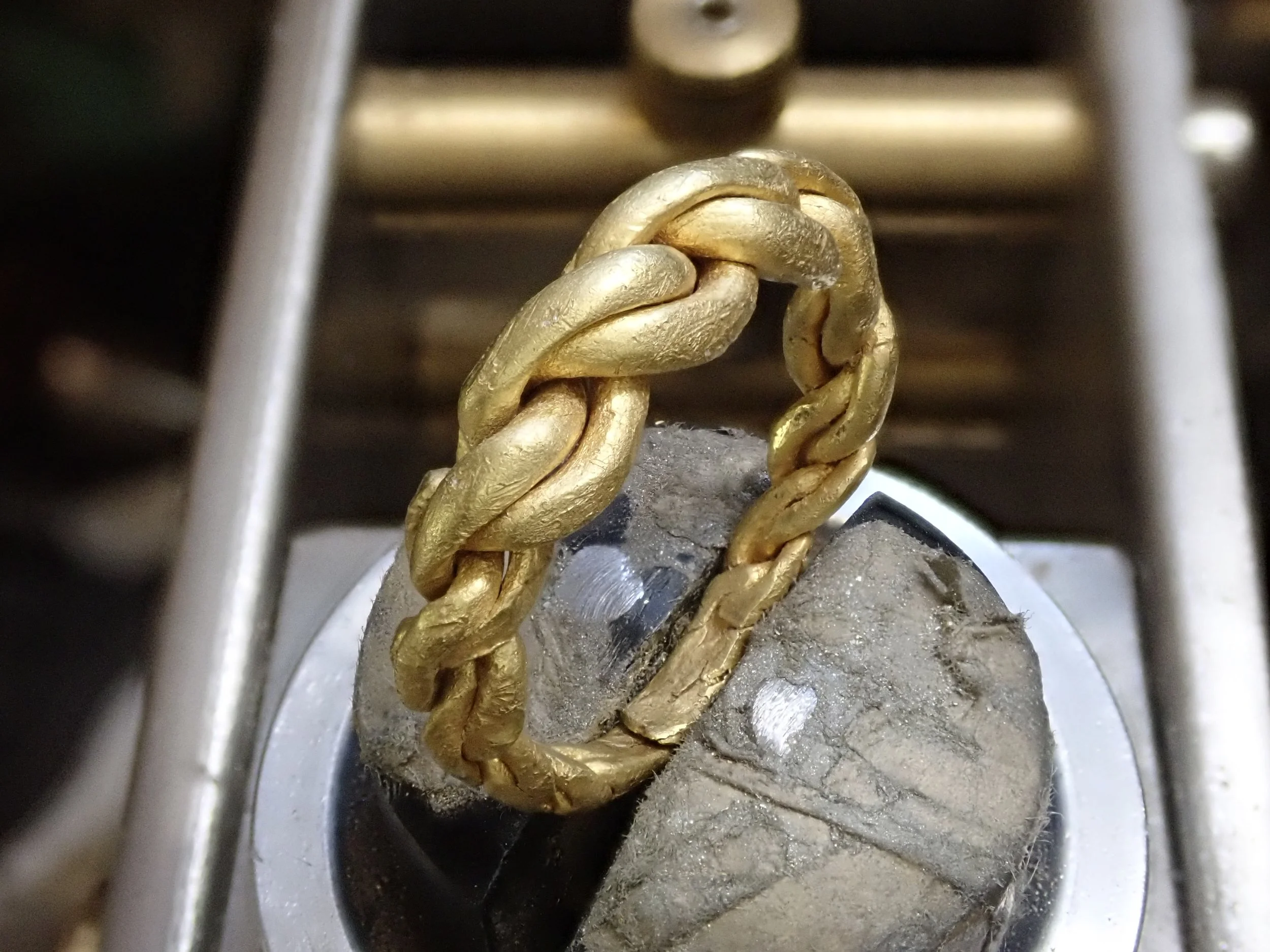
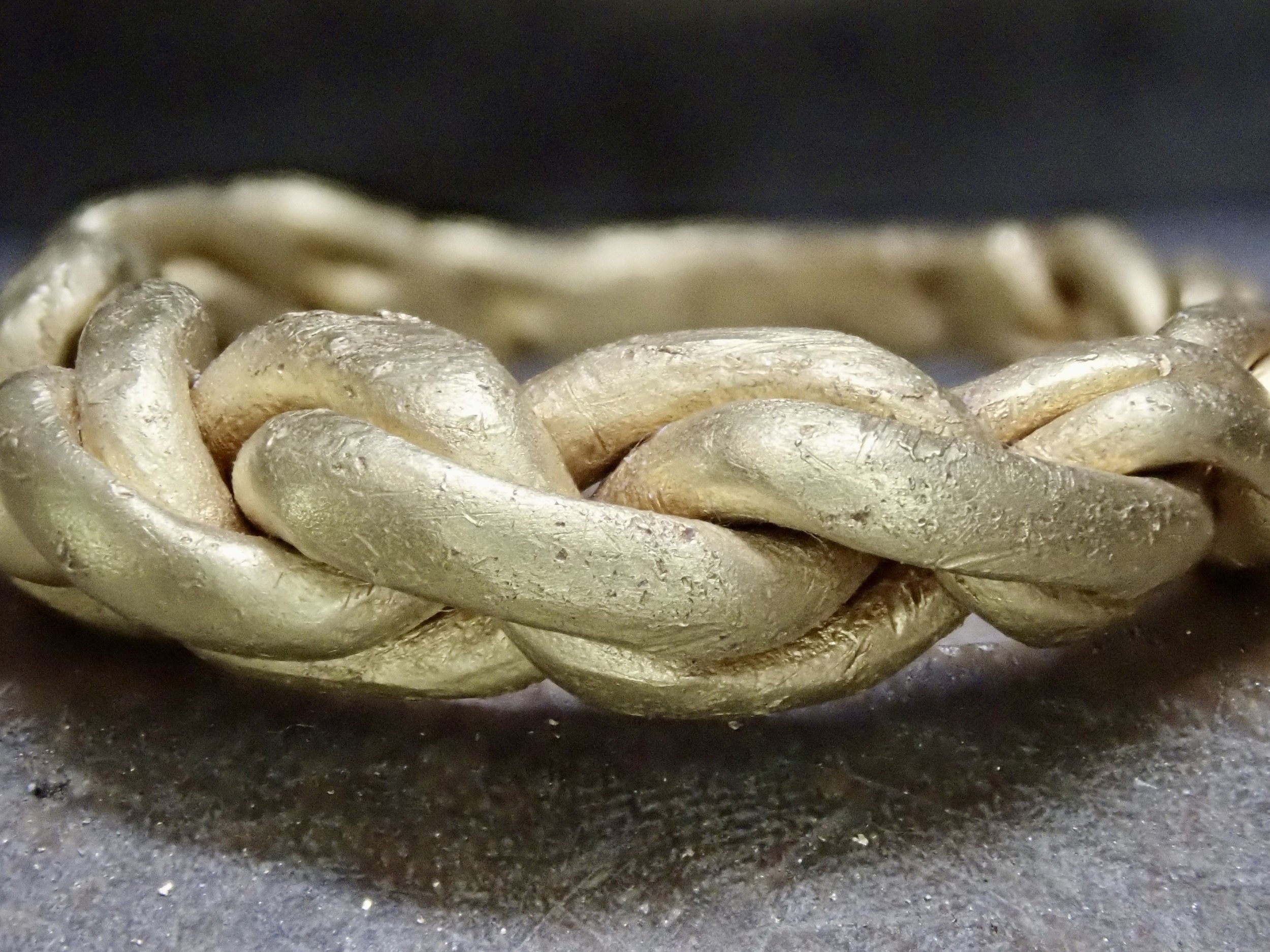
I’m writing this blog now mainly because I felt it was about time I shared more than just a social media post about such a special repair job, and also as there’s a talk coming up by Professor Mark Horton about the discovery of a Viking settlement along the river Severn. It’s currently sold out, but there may be waiting list tickets available if you contact The George in Newnham.
And if you do ever happen to find a little piece of squashed treasure buried in a muddy field…please do send it my way!